
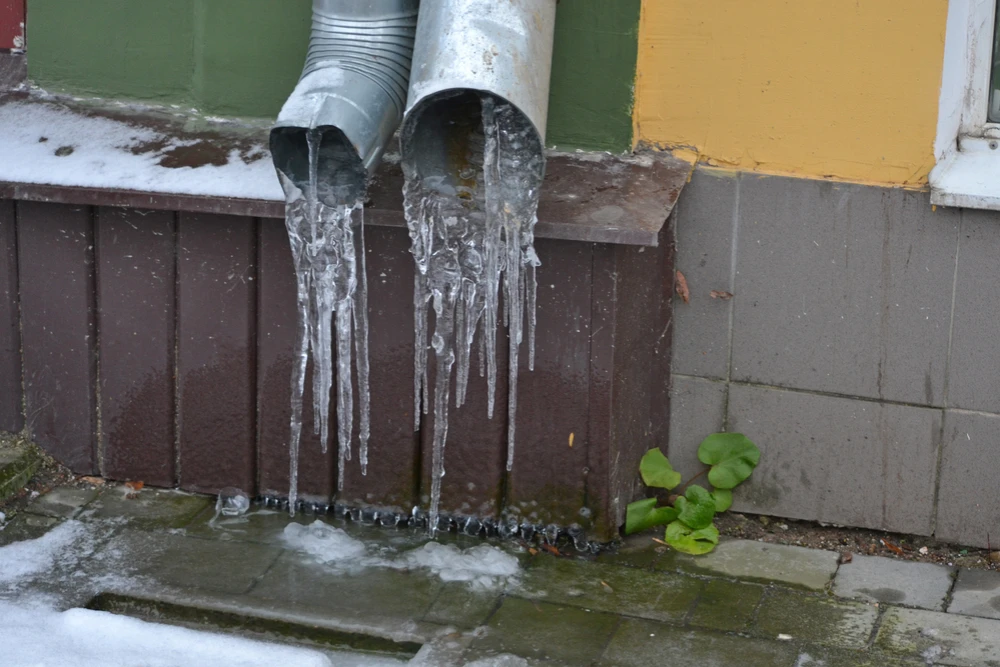
The winter months are tough on all kinds of infrastructure, and your drainage system is no exception. Freezing temperatures, heavy rainfall, and the repeated freeze-thaw cycle that is so common in the UK all place enormous stress on your drains, pipes, and gullies. By the time spring arrives, many homeowners and property managers are left dealing with slow-draining sinks, foul smells, or worse, full blockages and structural damage.
Understanding what causes winter drain damage, and knowing the warning signs to look out for, can save you a great deal of time, money, and hassle.
How Winter Weather Damages Drains
Frozen Pipes and Ice Blockages
When temperatures drop below zero, water sitting inside your pipes can freeze. As water turns to ice, it expands, placing enormous pressure on the pipe walls around it. Older pipes made from clay or cast iron are particularly vulnerable, but even modern plastic pipework is not immune.
In many cases, a frozen pipe will simply thaw out and carry on as normal. However, if the pressure is severe enough, the pipe can crack or even burst entirely, leading to leaks, subsidence, and significant repair costs.
The Freeze-Thaw Cycle
One of the most damaging forces at work during winter is not a single hard frost, but the repeated cycle of freezing and thawing that is a hallmark of British winters. Every time the ground freezes and then warms up again, it shifts slightly. Over time, this movement can displace drain pipes, cause joints to separate, and crack older, more brittle pipework.
If your drains were already showing signs of wear before winter arrived, the freeze-thaw cycle will almost certainly have made things worse.
Heavy Rainfall and Flooding
The UK winter typically brings prolonged and heavy rainfall. When water cannot drain away quickly enough, it backs up in the system, putting pressure on all the connections and joints along the way. Debris washed in by surface water, including leaves, mud, and sediment, can accumulate inside pipes and cause blockages that persist long after the rain has stopped.
Root Intrusion Made Worse by the Cold
Tree roots are naturally drawn to the warmth and moisture inside drain pipes. During winter, roots already present inside a pipe can contract as temperatures drop, allowing more debris and sediment to gather around them. When the roots expand again in warmer weather, they can cause significant displacement and blockage. If trees are growing close to your drains, root intrusion is a risk worth taking seriously.
Warning Signs That Winter Has Damaged Your Drains
Not all drain damage is immediately obvious. Here are the key signs to look out for now that winter is drawing to a close.
Slow Drainage
If water is taking noticeably longer to drain away in your sinks, bath, or shower, it is a clear sign that something is restricting flow inside the pipe. This could be a partial blockage caused by debris, a collapsed section of pipe, or root intrusion.
Gurgling Noises
Gurgling sounds coming from your drains or toilet are a strong indicator of air being trapped in the system, often caused by a partial blockage or a break in the pipework further down the line.
Foul Smells
Unpleasant odours rising from drains, particularly if they are coming from multiple outlets at once, suggest that waste is not being carried away efficiently. This could point to a blockage, a cracked pipe, or a damaged drain trap.
Damp Patches or Sinkholes in the Garden
If you notice unexplained wet patches, sunken areas, or patches of unusually lush grass appearing in your garden, it is possible that a drain pipe has cracked and is leaking waste water into the surrounding soil. This kind of damage can lead to subsidence if left untreated.
Sewage Backing Up
This is the most serious sign of all. If wastewater or sewage is backing up into sinks, toilets, or baths, you need professional help immediately. A backed-up drain can pose a serious health risk and should never be ignored.
What to Do If You Suspect Winter Drain Damage
Start with a Visual Inspection
Where it is safe and accessible to do so, take a look at external drain covers and gullies. Check for obvious debris, standing water, or anything that looks out of place. Clear any visible blockages from gully traps or external drain covers.
Call a Drainage Professional
While a simple surface blockage might be cleared with a drain rod or plunger, the kind of damage that builds up over winter often requires professional investigation. A qualified drainage engineer will have the tools and expertise to diagnose the problem properly and recommend the most appropriate solution.
Book a CCTV Drain Survey
A CCTV drain survey is the most reliable way to find out exactly what is happening inside your drains. A small camera is fed through the pipework, providing a live feed that allows the engineer to identify cracks, collapses, root intrusion, displaced joints, and blockages with precision.
This kind of survey removes all the guesswork and ensures that any repair work carried out is targeted at the actual source of the problem, rather than a symptom of it.
Common Winter Drain Repairs
Depending on what a CCTV survey reveals, your drainage engineer may recommend one or more of the following repair methods.
High-Pressure Water Jetting: This is the most effective way to clear blockages caused by debris, scale, grease, or root matter. A powerful jet of water is directed through the pipe, dislodging obstructions and flushing them out of the system.
Drain Lining (No-Dig Repair): Where a pipe has cracked or developed minor structural damage, drain lining is often the most cost-effective solution. A flexible liner is inserted into the damaged pipe and inflated, forming a new, seamless inner wall without the need for excavation.
Patch Lining: For localised cracks or joint defects, a patch liner can be applied to the specific section of pipe that is damaged, saving time and disruption compared to a full relining.
Excavation and Pipe Replacement: In cases of severe structural collapse or extensive root damage, excavation and replacement of the affected pipe section may be necessary. While this is more disruptive and costly, it is sometimes the only viable option.
How to Protect Your Drains Next Winter
Prevention is always preferable to repair. Here are some practical steps you can take to reduce the risk of winter drain damage in future.
Insulate exposed pipework: Any pipes located in unheated areas such as lofts, garages, or against exterior walls should be lagged with pipe insulation before temperatures drop.
Keep drains clear: Clear leaves, debris, and silt from external gullies and drain covers regularly throughout autumn and winter.
Avoid pouring fats and oils down the drain: Fat and grease solidify inside pipes, creating blockages that are made worse by cold temperatures. Dispose of cooking fats in the bin, not down the sink.
Know where your stop valve is: If a pipe bursts, being able to turn off the water supply quickly can limit the damage significantly.
Schedule a routine drain survey: Having your drains inspected every few years, particularly if your property is older or has large trees nearby, allows you to catch developing problems before they become serious.
Do Not Wait Until It Gets Worse
Drain problems rarely resolve themselves. A small crack, a minor blockage, or a slow-draining sink are all early warnings that something is not right. Left unchecked, these issues tend to worsen over time and can result in much more costly repairs, particularly if structural damage is allowed to develop or if a leak causes damage to your property’s foundations.
If you have noticed any of the warning signs described in this article, the best course of action is to have your drains professionally assessed as soon as possible. A CCTV drain survey will give you a clear picture of what you are dealing with, and a qualified drainage engineer will be able to advise on the most cost-effective way to put it right.
Contact us today to book a CCTV drain survey and make sure your drainage system is in full working order before any winter damage has the chance to worsen.