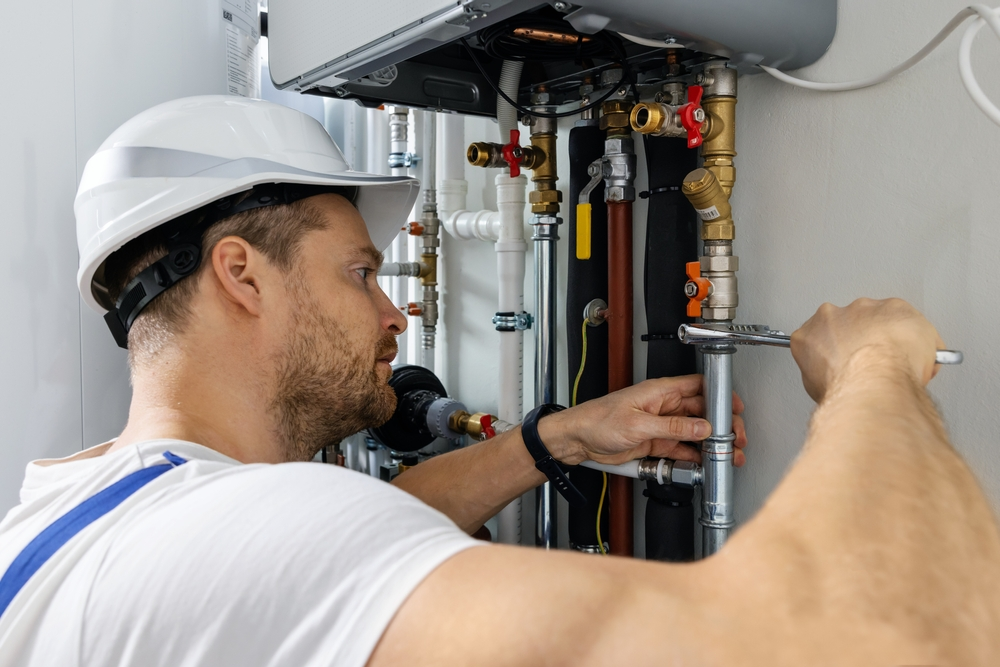
In Coventry homes, a sudden loss of heating or hot water can disrupt everyday routines. When this happens during colder months, knowing how to respond correctly becomes especially important.
For homeowners dealing with an
emergency boiler repair in Coventry, taking the right first steps can help protect safety, limit further damage, and ensure heating is restored as quickly as possible. This guide explains what Coventry residents should do first during a boiler emergency, how to stay safe, and when professional support is needed.
1. Recognising a Boiler Emergency in Coventry Homes
Not every boiler issue requires immediate attention, but some situations should always be treated as urgent. A boiler emergency usually involves a complete loss of heating or hot water, particularly during colder weather, or a fault that could affect safety inside the home.
You may be facing an emergency boiler breakdown in Coventry if your boiler shuts down completely and will not restart, even after basic checks. Repeated shutdowns, where the boiler turns on briefly and then switches itself off, are also a common warning sign.
Other indicators include loud or unusual noises such as banging, whistling, or gurgling, visible water leaks around the boiler, persistent error codes, or unusual smells coming from the unit. In Coventry homes, where winter temperatures can drop quickly, any issue that leaves a property without heating or hot water should be addressed as soon as possible.
2. Basic Boiler Checks to Do First Before Calling for Repairs in Coventry
Before assuming the boiler has failed completely, there are a few simple checks that Coventry residents can safely carry out. These checks often help identify common issues and determine whether emergency boiler repair is needed immediately.
Start by checking the thermostat. Ensure it is switched on, set to the correct temperature, and programmed properly. If the thermostat uses batteries, replacing them may restore communication between the thermostat and the boiler.
Next, check the boiler pressure gauge. Low pressure is one of the most common reasons a boiler stops working. If the pressure has dropped below the recommended level, this may prevent the system from operating. While repressurising the system can sometimes help, this should only be done if you are confident and following the manufacturer’s instructions.
Also check your electricity supply. A tripped fuse, power cut, or switched-off socket can stop the boiler from running even when the unit itself is not faulty. Resetting a fuse or restoring power may resolve the issue.
If these checks do not restore heating or hot water,
further inspection is usually required.
3. Understanding Boiler Error Codes and Warning Signs
Modern boilers are designed to display error codes when a fault occurs. These codes indicate specific issues such as ignition failures, pressure problems, or sensor faults. While error codes can be useful, they should not be treated as instructions for DIY repairs.
Resetting the boiler once may be acceptable, but repeatedly resetting it without understanding the cause can worsen the fault. If an error code continues to appear, it is a sign that professional boiler repair support in Coventry is needed.
In addition to error codes, warning signs such as unusual smells, delayed heating, inconsistent hot water, or unfamiliar sounds should not be ignored. These symptoms often point to underlying issues that require proper assessment before they develop into a full emergency boiler breakdown.
4. Staying Safe and Avoiding DIY Boiler Repairs
Boilers are complex systems connected to gas, electricity, and water. Attempting to repair internal components without proper training can be dangerous and may place your household at risk.
If you smell gas, hear hissing sounds, or suspect a gas-related problem, turn the boiler off immediately if it is safe to do so. Open windows to ventilate the area and leave the property if the smell persists. Safety should always take priority over restoring heating.
Avoid opening the boiler casing or attempting to adjust internal components. Even small mistakes can lead to water damage, electrical faults, or safety hazards. Emergency boiler repair in Coventry should always be handled by
qualified specialists who are trained to work safely with gas and heating systems.
5. Limiting Damage While Waiting for Boiler Repair Support
While waiting for professional help to arrive, there are a few practical steps Coventry residents can take to limit damage and reduce disruption.
If the boiler is leaking, placing a container underneath the leak can help prevent water damage to floors and nearby surfaces. If you know where the boiler’s water supply valve is located and it is safe to access, turning it off may help stop further leakage.
Keep the area around the boiler clear so that a specialist can access the unit easily when they arrive. If there is no heating, closing doors, using extra layers, and keeping heat contained in occupied rooms can help maintain comfort temporarily.
These steps do not fix the problem, but they can help protect your home while waiting for emergency boiler repair services in Coventry.
6. Contacting a Qualified Boiler Specialist in Coventry
Once basic checks are complete and safety measures are in place, the next step is to contact a qualified boiler specialist. Emergency boiler issues usually require professional diagnosis to identify the fault and restore heating safely.
Through
24/7 Best Emergency Services, Coventry residents can request support for urgent boiler problems. Qualified specialists assess the issue, identify the cause of the breakdown, and carry out repairs using approved tools and methods.
Most
emergency boiler repair callouts in Coventry are handled within one hour, depending on the time of day, traffic, and local conditions. Acting quickly helps reduce downtime and prevents further damage to the heating system.
More information about emergency boiler repair services in Coventry is available
here.
7. Common Causes of Emergency Boiler Breakdowns in Coventry
Several issues commonly lead to emergency boiler breakdowns in Coventry, particularly during colder months when heating systems are under increased strain.
Low system pressure is one of the most frequent causes. This may occur due to leaks, worn components, or recent radiator bleeding. When pressure drops too low, built-in safety mechanisms prevent the boiler from operating.
Frozen condensate pipes are another common issue during winter. These pipes remove waste water from the boiler, and when they freeze, the system may shut down to prevent damage.
Other causes include faulty thermostats, circulation issues, blocked heat exchangers, and ageing internal parts. Older boilers in Coventry homes may be more vulnerable to these faults, especially if they have not been serviced regularly.
Understanding these causes helps homeowners recognise problems earlier and arrange support before a complete system failure occurs.
8. Seasonal Boiler Problems in Coventry Properties
Coventry properties often experience boiler issues during sudden drops in temperature. Cold weather places additional strain on heating systems, especially in homes with older insulation or ageing boilers.
Many emergency boiler repair calls in Coventry occur at the start of winter, when systems are switched on after months of limited use. Components that have been inactive can fail once demand increases.
Frozen pipes, pressure loss, and circulation problems are more common during prolonged cold spells. Regular boiler servicing before winter can help reduce the likelihood of emergency breakdowns when heating is needed most.
9. When a Longer-Term Boiler Solution May Be Needed
If your boiler has required repeated repairs or is nearing the end of its expected lifespan, an emergency breakdown may be a sign that a longer-term solution should be considered.
A qualified specialist can advise whether a repair is likely to restore reliable performance or if replacing the system would be more cost-effective over time. Older boilers are often less efficient and more prone to recurring faults, which can lead to higher repair costs and frequent disruption.
For some Coventry households, upgrading to a newer boiler system may provide improved efficiency, better reliability, and greater peace of mind during colder months.
Information about our services, heating and emergency home services available in Coventry can be found
here
10. Conclusion
Dealing with a boiler emergency can be stressful, but knowing what to do first helps Coventry residents stay safe and avoid unnecessary damage. Starting with simple checks, prioritising safety, and avoiding DIY repairs are essential steps when facing a boiler breakdown.
When professional support is required, acting quickly helps restore heating and hot water while preventing further issues. If you are experiencing a boiler emergency in Coventry,
contact us today to arrange support from a qualified specialist and have the issue assessed and resolved safely.
11. Frequently Asked Questions
What should I do first if my boiler stops working in Coventry?
Check the thermostat, boiler pressure, and electricity supply. If the problem remains, arrange professional boiler repair support to assess the issue safely.
Is no heating or hot water considered an emergency?
Yes. Loss of heating or hot water, especially during cold weather, is usually treated as an emergency boiler issue in Coventry homes.
How quickly can emergency boiler repairs be handled by your company in Coventry?
We aim to attend most emergency boiler callouts in Coventry within one hour, depending on the time of day, traffic, and local conditions.
Can I attempt to repair my boiler myself?
No. Boilers involve gas and electrical components and should only be handled by qualified specialists.
Do you offer emergency boiler repair services across Coventry?
Yes. Emergency boiler repair and related heating services are available across Coventry and surrounding areas.