
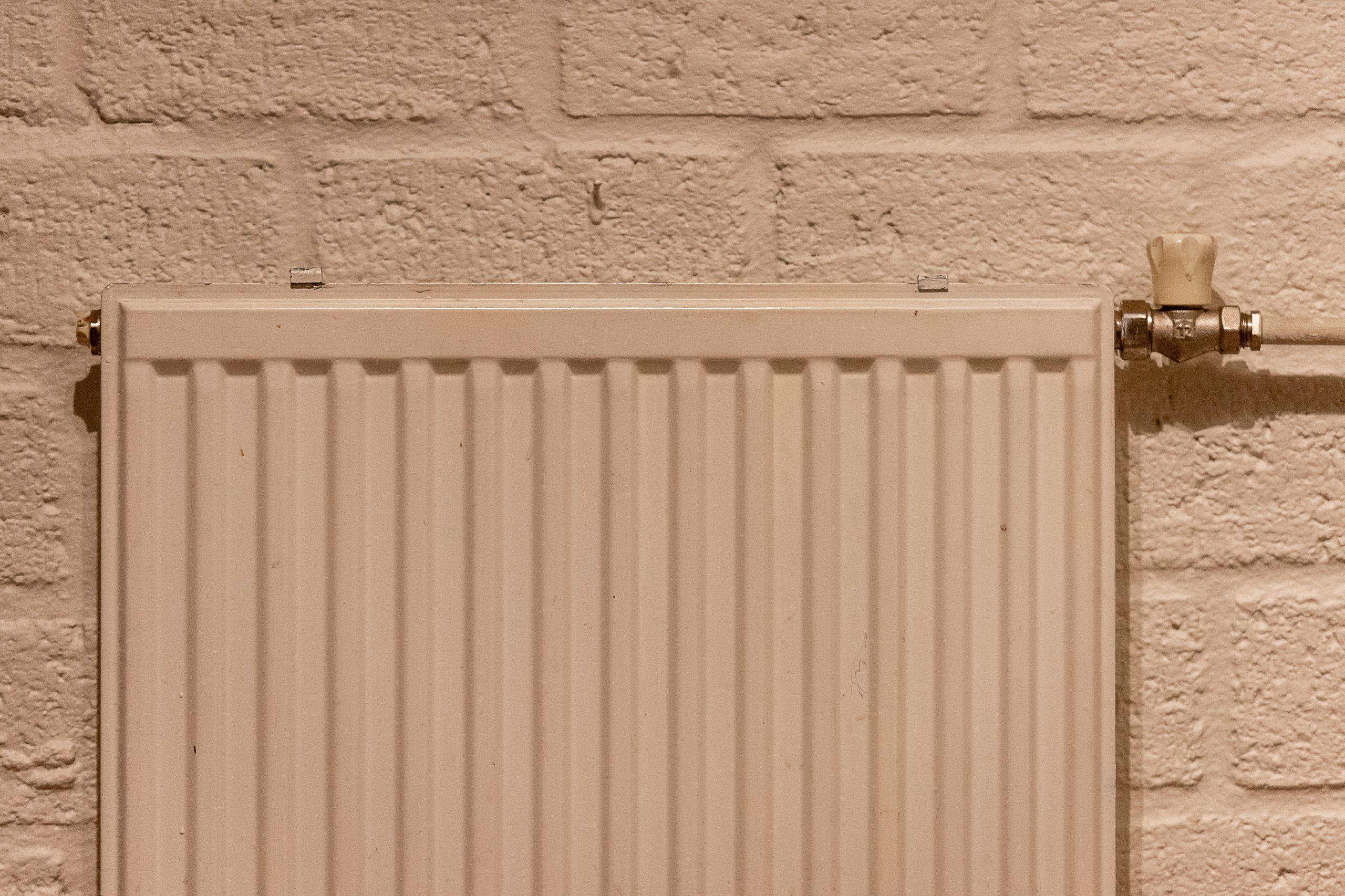
The first cold snap of autumn arrives, you turn the thermostat up and wait for that familiar warmth. Instead, you get a cold radiator, a strange gurgle or a boiler that refuses to fire.
You are not alone. After six months of sitting idle, central heating systems pick up small faults that only show themselves when you switch the heating back on. The good news is that most of them are quick to fix, and a few minutes of checks now can save you a cold, expensive November.
Here are the seven problems we see most often in the first week of the heating season, what causes them and what you can safely do yourself.
1. Radiators are cold at the top
This is the most common complaint of the year. If the bottom of a radiator is warm but the top stays cold, air has collected inside it over the summer.
What to do: bleed the radiator.
- Turn the heating off and let the radiators cool.
- Hold a cloth under the bleed valve at the top corner.
- Use a radiator key to open the valve a quarter turn until you hear hissing.
- Close it as soon as water appears.
Start with the radiator nearest the boiler and work outwards. Once you have finished, check your boiler pressure, because bleeding releases pressure from the system (see point 2).
2. Boiler pressure has dropped
Most combi and system boilers need to run at roughly 1 to 1.5 bar when cold. Small losses over the summer, or bleeding several radiators, can push the pressure too low. Many boilers will then lock out to protect themselves.
What to do: check the pressure gauge on the front of your boiler. If it is below 1 bar, you can usually top it up using the filling loop underneath. Your boiler manual will show the exact steps for your model.
When to call someone: if the pressure keeps dropping within days of being topped up, there is likely a leak or a faulty pressure relief valve. That needs a professional, so book a heating engineer before it gets worse.
3. The boiler will not fire up at all
Months of inactivity can cause parts to stick. The circulation pump and the diverter valve are the usual suspects, especially in hard water areas where limescale builds up.
What to do:
- Check the boiler has power and the display shows no fault code.
- Make sure the thermostat is set higher than the current room temperature.
- Check the gas supply is on (try the hob if you have a gas cooker).
- Press the reset button once and wait a few minutes.
If the boiler still will not start, or the same fault code keeps returning, stop resetting it. Repeated resets can mask a real fault. Never remove the boiler casing yourself: any work on a gas appliance must be carried out by an engineer listed on the Gas Safe Register.
4. Banging, gurgling or kettling noises
A little ticking as metal pipes expand is normal. Loud banging, gurgling or a noise like a boiling kettle is not.
- Gurgling usually means trapped air. Bleeding the radiators often cures it.
- Kettling (a rumbling, boiling sound) usually points to limescale or sludge restricting flow through the heat exchanger.
- Banging can be caused by a sticking pump, low pressure or debris in the system.
Kettling should not be ignored. It forces your boiler to work harder, raises your bills and shortens the life of the heat exchanger. A professional system flush can clear the build-up.
5. Cold patches at the bottom, or one room stays cold
If a radiator is warm at the top but cold at the bottom, sludge (a mix of rust and debris) has settled inside it. If one whole radiator stays cold while others heat up, the cause is often simpler.
Check the thermostatic radiator valve (TRV) first. The small pin under the TRV head can stick in the closed position over summer.
- Unscrew or unclip the TRV head.
- Gently tap or wiggle the pin with the back of a screwdriver until it moves freely.
- Refit the head and set it to your preferred number.
If several radiators have cold bottoms, the system probably needs flushing. Ignoring sludge leads to blocked pipes and, eventually, a failed pump.
6. The thermostat or timer is not doing its job
Sometimes the boiler is fine and the problem is the controls.
- Flat batteries in wireless thermostats are a very common week-one fault.
- Wrong times on the programmer. Heating schedules set last spring may no longer suit you, and the clocks go back at the end of October, so check older programmers that do not update automatically.
- Smart thermostats may have lost their Wi-Fi connection or need a firmware update.
- Poor placement. A thermostat in a draughty hallway or next to a lamp will give false readings.
The Energy Saving Trust’s guide to heating controls explains how programmers, room thermostats and TRVs work together. Setting them up properly now can noticeably reduce your winter bills.
7. A burning smell, or signs of carbon monoxide
A faint dusty smell for the first hour is normal. Dust settles on radiators and inside the boiler over summer and burns off when things heat up.
A smell that lingers, or any of the signs below, is a different matter:
- A lazy yellow or orange flame instead of a crisp blue one
- Black or brown sooty marks on or around the boiler
- Condensation building up on nearby windows
- Your carbon monoxide alarm sounding
- Headaches, dizziness or nausea that ease when you leave the house
If you suspect carbon monoxide: turn the appliance off if it is safe to do so, open doors and windows, leave the property and call the National Gas Emergency Service on 0800 111 999. The NHS has a clear guide to the symptoms of carbon monoxide poisoning. Seek medical advice if anyone feels unwell.
Every home with a gas boiler should have a working carbon monoxide alarm. Test yours today; it takes seconds.
Your 10-minute pre-season heating checklist
Run through this before the cold weather properly arrives:
- Turn the heating on for 30 minutes on a mild day to spot problems early
- Feel every radiator, top and bottom
- Bleed any radiators that are cold at the top
- Check boiler pressure sits between 1 and 1.5 bar
- Free up any stuck TRV pins
- Replace thermostat batteries and check the timer
- Test your carbon monoxide alarm
- Book your annual boiler service if it is due
Testing early matters. Engineers get busiest in the first proper cold week, so finding a fault in early October is far easier than in a December freeze. If you are unsure when to start, the Energy Saving Trust has useful advice on when to put your heating on.
When to call a professional
DIY fixes are fine for bleeding radiators, topping up pressure and freeing TRVs. Call a qualified engineer if:
- Your boiler shows a recurring fault code or will not fire after one reset
- Pressure keeps dropping after you top it up
- You can see water leaking from the boiler or pipework
- Several radiators are cold at the bottom
- You notice any warning signs of carbon monoxide
Our verified local engineers can help with emergency boiler and heating repairs, annual servicing and system flushes. Get in touch and we will get your home warm again quickly.
Frequently asked questions
Why is my heating not working after summer?
The most common causes are trapped air in the radiators, low boiler pressure, a stuck pump or diverter valve, and flat thermostat batteries. Most of these show up in the first few days of use.
Should I bleed my radiators before turning the heating on?
Bleed them once the heating has run and cooled down. That way you can feel which radiators have cold spots and only bleed the ones that need it.
What pressure should my boiler be at?
For most sealed systems, between 1 and 1.5 bar when the system is cold. Always check your manufacturer’s guidance, as some models differ.
Is a burning smell normal when the heating first comes on?
A faint dusty smell for the first hour or so is normal. If it persists, smells of gas or you notice any carbon monoxide warning signs, turn the boiler off and call 0800 111 999.
How often should my boiler be serviced?
Once a year, by a Gas Safe registered engineer. Autumn is ideal because it catches problems before peak demand.