
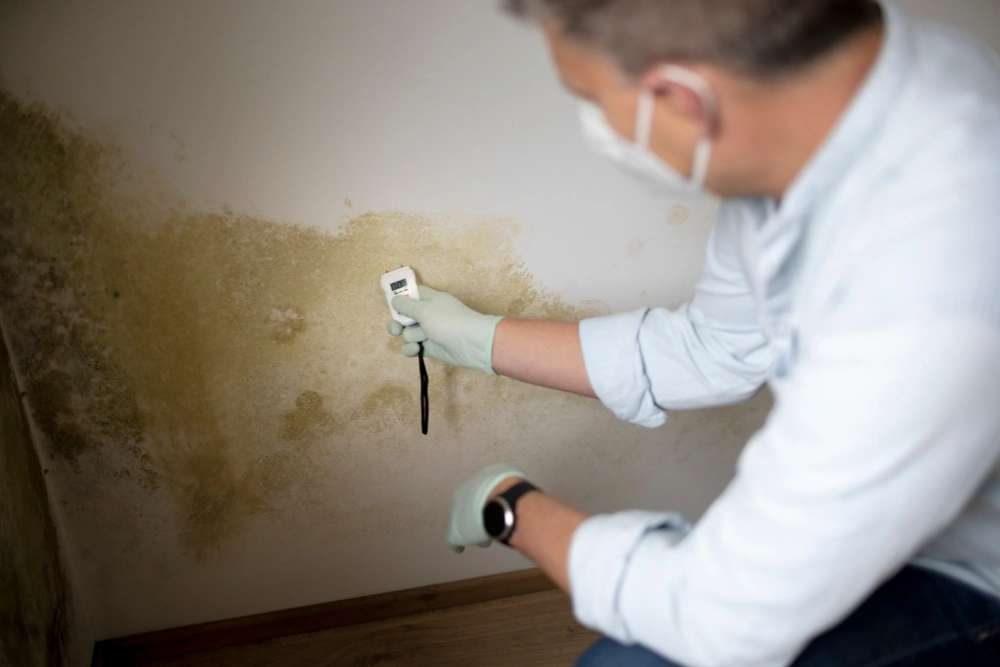
With December 2025 bringing heavy rain, chilly winds, and long damp nights across the UK, it is no surprise that many homes are showing signs of excess moisture. Closed windows, constant heating, and daily activities like cooking and drying clothes indoors all increase humidity. When that moisture has nowhere to go, it settles on cold surfaces and turns into damp and mould.
What starts as a small dark patch can quickly damage paint, wood, and even your health. Understanding the causes and learning how to prevent damp will help you keep your home warm, safe, and dry this winter.
Why damp and mould are a winter problem
Damp and mould thrive when warm, moist air meets cold walls or windows. Condensation forms, and over time, it soaks into the walls and ceilings. In the colder months, homes are sealed to keep warmth in, but this also traps moisture inside.
Older homes with poor insulation or ventilation are especially vulnerable. However, even modern properties can develop damp if maintenance is overlooked. Leaks from pipes, radiators, or gutters can quickly worsen the issue. Once water seeps into walls or plaster, it can take months to dry out.
Signs that damp or mould may be developing
If you notice any of the following, take action early to prevent long-term damage:
- A musty smell that lingers in certain rooms
- Black or green spots appearing on walls, ceilings, or behind furniture
- Peeling paint, bubbling plaster, or loose wallpaper
- Condensation that reappears on windows each morning
- Cold or damp patches on walls and floors
Ignoring these signs can lead to more serious structural problems and higher heating bills.
Simple ways to prevent damp and keep your home warm
Try these easy steps to keep your home warm and dry:
Improve air circulation
Open your windows for a few minutes each day to refresh the air indoors. Use extractor fans in kitchens and bathrooms while cooking or showering to remove moisture.
Avoid drying clothes indoors
Wet laundry releases a lot of moisture into the air. Use an outdoor space, or a well-ventilated room, instead of radiators or bedrooms.
Check insulation and seals
Cold walls and windows attract condensation. Inspect window seals and door frames for gaps and repair any cracks. Adding insulation in lofts and storage areas also helps retain warmth and reduce moisture.
Maintain gutters and downpipes
Clear gutters regularly to prevent water from overflowing and soaking external walls. Check downpipes for leaks or blockages, especially after storms.
Inspect plumbing and pipework
Hidden leaks are a common cause of damp. Look for damp patches under sinks, around toilets, or behind appliances. If you suspect a leak, request professional help.
Safe mould removal
Small patches of mould can be cleaned away using a soft cloth and warm water with a light detergent. Always wear gloves and open the windows for ventilation.
Do not paint over mould or use bleach-based sprays, as these may damage the surface and fail to address the root cause. If mould returns or spreads, contact a professional for a full assessment.
Health risks of damp and mould
Mould releases spores that can irritate the lungs, throat, and skin. It is especially dangerous for young children, the elderly, and people with asthma or respiratory conditions. Damp also affects indoor air quality, which can lead to fatigue, headaches, and increased allergy symptoms.
Taking preventative steps now will protect both your home and your health through the colder months.
How a plumber can help prevent damp
Plumbers play a key role in keeping homes warm, dry, and protected from moisture during the winter. A professional inspection can identify leaks, improve water flow, and help prevent mould from returning.
Here is what a plumber can do:
Find and fix leaks
Even the smallest leaks from joints, taps, or pipes can create enough moisture to cause damp. A plumber can trace these hidden problems using tools that detect pressure drops or water behind walls.
Check heating and radiators
If your radiators are leaking or not heating evenly, this may lead to condensation forming around them. A plumber can bleed, seal, or balance your heating system to improve performance and prevent moisture build-up.
Insulate pipes and tanks
Cold pipes are more likely to sweat and drip. Plumbers can insulate exposed pipes, especially in lofts, garages, or under sinks, to prevent condensation and freezing during low temperatures.
Clear blocked drains and waste pipes
Blocked drains or slow-flowing pipes can trap water and increase humidity in bathrooms or kitchens. A plumber can remove these blockages and restore proper drainage to stop moisture from settling indoors.
When to call a plumber
If damp patches keep coming back, if you notice mould spreading, or if your heating system struggles to stay consistent, it may be time for a full inspection. A plumber can check for hidden leaks, assess pipe insulation, and repair faulty connections that allow water to escape into your walls or flooring. If you suspect a leak, persistent dampness, or insulation problems, we can help you.
Plumbers available through 247 Best Emergency Services can perform detailed inspections. Same-Day Callouts and Fast Response for 24-Hour Emergencies are available depending on your location and the severity of the issue.
Certified specialists operate across the UK, covering major cities such as London, Birmingham, Manchester, Leeds, and Sheffield, as well as nearby towns. Depending on the location and time of day, most callouts are completed within one hour.
Conclusion
Damp and mould may seem like small seasonal issues, but if ignored, they can cause serious damage to both property and health. Keeping your home warm and well-ventilated, checking for leaks, and improving insulation are simple steps that prevent future problems.
If you are dealing with damp walls, condensation, or persistent mould, do not wait for it to worsen. Contact us and get professional help to restore warmth, comfort, and safety to your home this winter.
Frequently Asked Questions
How can I tell if my home has a damp problem?
If you notice musty smells, dark patches on walls, or condensation that keeps returning, you likely have a damp issue. A professional inspection can confirm the cause and suggest the best solution.
What is the safest way to clean mould at home?
For small patches, use warm soapy water or a mould remover, and ventilate the room while cleaning. If mould spreads quickly or keeps reappearing, call a professional to assess underlying moisture issues.
Can poor insulation cause damp in winter?
Yes. When walls or lofts lack insulation, warm air cools quickly and creates condensation. Adding insulation helps reduce moisture and improve energy efficiency.
Do you provide help for urgent damp or mould problems?
Yes. If you have a serious damp issue caused by leaks, burst pipes, or excess moisture, you can request help for 24-hour plumbing emergencies. Certified plumbers are available day and night to find the source of the moisture, repair it, and help protect your home from further damp or mould damage.
Are your services available across the UK?
Yes. Specialists are available nationwide, covering major cities and surrounding regions.