
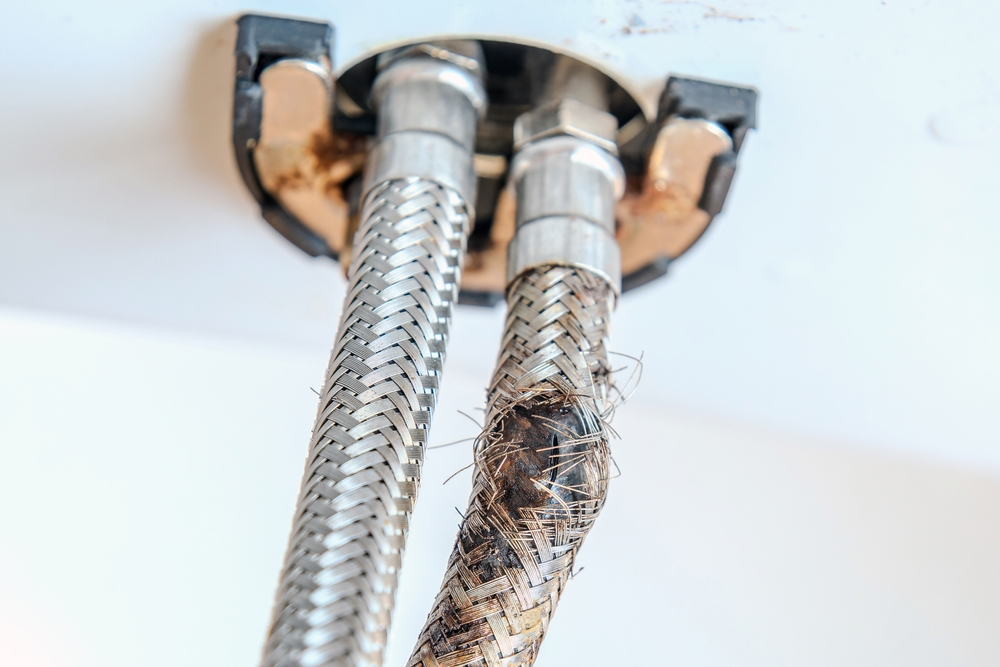
1. Turn Off the Main Water Supply Immediately
Locate your stopcock (usually under the sink or near where water enters your home) and turn it clockwise to stop
the flow of water.
If you live in a flat, this is especially urgent to avoid flooding neighbouring properties.
2. Switch Off Electricity if Water Is Near Sockets
If water is close to electrical outlets, appliances, or your fuse board, switch off electricity at the consumer unit
only if it is safe to do so.
Never touch electrics while standing in water.
3. Drain the System
Open all cold taps to drain remaining water from the pipes and flush toilets once. This helps reduce further leakage.
4. Contain the Water Damage
Use towels, buckets, or containers to control the spread of water. If possible, move furniture and valuables away
from the affected area.
5. Call an Emergency Plumber Immediately
A burst pipe is a 24/7 plumbing emergency. Waiting until morning can cause thousands of pounds in damage.
A local emergency plumber can:
- Isolate the damaged pipe
- Stop the leak permanently
- Prevent structural damage
- Restore water safely
Call a 24/7 emergency plumber near you for immediate assistance.
6. Do Not Attempt Temporary Fixes You’re Unsure About
Tape, sealants, or clamps can help only if you know what you’re doing. Incorrect fixes often make the situation worse.
7. Document the Damage
Take photos or videos for insurance purposes before repairs begin, if safe to do so.
When Is a Burst Pipe an Emergency?
A burst pipe is always considered an emergency if:
- Water is flowing uncontrollably
- It affects electrics
- It causes flooding
- It occurs outside normal working hours
Need Immediate Help?
Our 24/7 emergency plumbing service connects you with local, vetted plumbers across the UK, ready to respond day or night.