
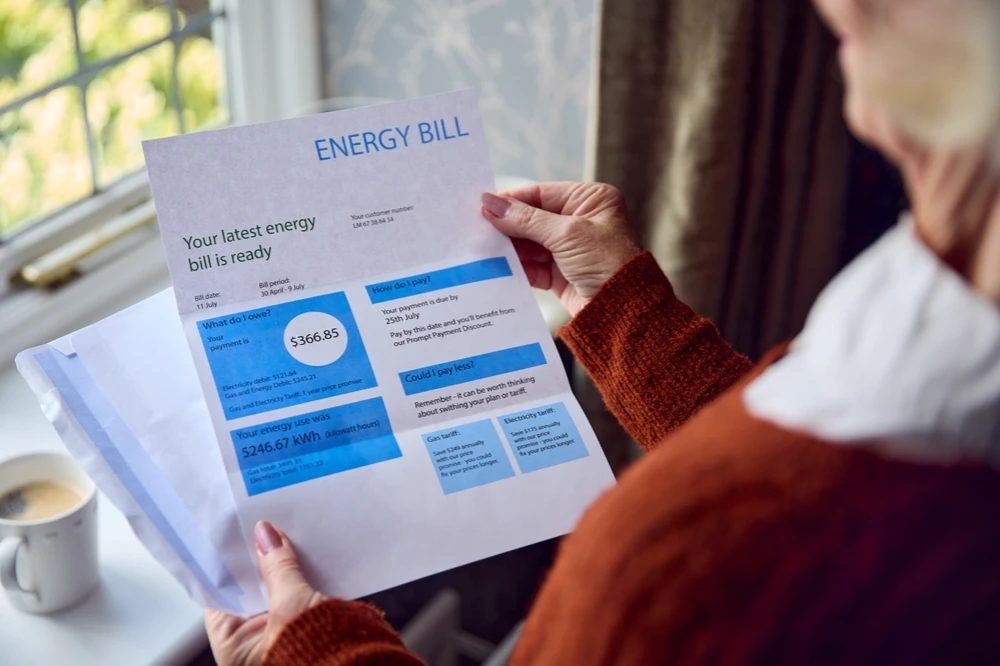
Energy bills remain one of the biggest concerns for households across the UK. Even as we move into spring 2026, millions of families are still feeling the pressure of high energy costs that have persisted since the price shocks of recent years. The good news is that there are practical, proven steps you can take right now to reduce what you pay, without sacrificing comfort in your home.
This guide covers everything from quick wins to longer-term improvements, helping you take control of your energy spending this spring.
Why Energy Bills Are Still High in Spring 2026
Many households expected energy prices to fall significantly by now, but costs remain stubbornly elevated. The energy price cap, set by Ofgem and reviewed quarterly, continues to affect what suppliers can charge per unit of gas and electricity. While the cap has shifted compared to its peak, bills for the average UK household are still considerably higher than they were before 2021.
A significant part of this is rooted in global events that continue to shape energy markets. The war in Ukraine, which severely disrupted European gas supply from Russia, sent wholesale gas prices to record highs and exposed just how vulnerable the UK is to international energy instability. Ongoing conflict in the Middle East has added further uncertainty to global oil markets, keeping wholesale costs elevated. Because the UK’s electricity price is still largely determined by the cost of gas-fired power generation, high gas prices push electricity bills up simultaneously. Until the UK generates a greater share of its energy from domestic renewable sources, household bills will remain sensitive to decisions and conflicts happening thousands of miles away.
Spring does bring some natural relief as heating demands drop, but this is often offset by other factors such as:
- Increased use of appliances during school holidays
- Homes that remain poorly insulated losing heat even on mild days
- Standing charges and daily fixed costs that continue regardless of usage
Understanding why your bill is high is the first step towards reducing it.
Check Your Current Tariff and Switch if You Can
One of the most effective ways to reduce your energy bills is to ensure you are on the best available tariff. The energy market has gradually reopened to competition, and fixed-rate deals are once again available from a range of suppliers.
What to do:
- Log into your current supplier’s account and check what tariff you are on
- Use a price comparison website such as Uswitch, MoneySuperMarket, or Compare the Market
- Compare unit rates and standing charges, not just the headline annual estimate
- If a better deal exists, switch suppliers or ask your current supplier to match it
Switching energy supplier in the UK typically takes around three weeks and you will not experience any interruption to your supply.
Get a Smart Meter Installed
If you do not yet have a smart meter, contact your supplier and request one. Smart meters are free to install and give you real-time data on exactly how much energy you are using and what it is costing you.
Benefits of a smart meter in 2026:
- No more estimated bills, you only pay for what you actually use
- Real-time displays help you spot which appliances are drawing the most power
- Some suppliers offer time-of-use tariffs, allowing you to pay less by shifting usage to off-peak hours
- You can track daily, weekly, and monthly spending directly from an app
Many households report reducing their energy use by 10 to 15 per cent simply by becoming more aware of their consumption through a smart meter display.
Reduce Heating Costs Even in Spring
Central heating is the single largest contributor to most household energy bills. Even in spring, many homes in the UK require heating on cooler mornings and evenings.
Practical steps to cut heating costs:
- Turn your thermostat down by one degree. This alone can save around ten per cent on your heating bill according to the Energy Saving Trust.
- Use a programmable or smart thermostat. Devices such as Nest or Hive allow you to heat your home only when needed, avoiding waste during the day when the property is empty.
- Bleed your radiators. Trapped air in radiators makes your boiler work harder and reduces efficiency. Bleeding radiators is a simple DIY job that takes just a few minutes per radiator.
- Check your boiler pressure. Low pressure reduces boiler efficiency. Your boiler manual will explain how to repressurise it safely.
- Service your boiler annually. A well-maintained boiler operates at peak efficiency. If your boiler has not been serviced recently, booking a Gas Safe registered engineer to carry out a service is worthwhile.
Draught-Proof Your Home
Heat escaping through gaps around doors, windows, and floors is a common cause of wasted energy. Draught-proofing is one of the cheapest and most cost-effective improvements you can make to your home.
Where to check for draughts:
- Around external door frames and letterboxes
- Between skirting boards and floors
- Around window frames and sills
- Through keyholes and cat flaps
- Around loft hatches
Self-adhesive draught-proofing strips are available from DIY stores for a few pounds and can be fitted in an afternoon. For more significant gaps, a draught excluder or professional sealing may be needed.
According to the Energy Saving Trust, draught-proofing your home can save between £60 and £100 per year on energy bills.
Use Appliances More Efficiently
Household appliances account for a significant portion of electricity bills. Making small changes to how and when you use them can add up to meaningful savings over time.
Kitchen and laundry tips:
- Wash clothes at 30 degrees instead of 40 or 60. Modern detergents are highly effective at lower temperatures and you will use less energy.
- Only run your dishwasher and washing machine when full. Running half loads wastes both energy and water.
- Avoid using the tumble dryer where possible. Spring weather often allows clothes to be dried outdoors or on a rack near an open window.
- Defrost your freezer regularly. Ice build-up forces the motor to work harder, increasing energy use.
- Do not leave appliances on standby. Televisions, games consoles, and phone chargers left plugged in continue to draw power even when not in active use. Using a standby saver or smart plug can eliminate this waste automatically.
Cooking tips:
- Match the size of your pan to the size of the hob ring
- Keep lids on pans to retain heat and cook faster
- Use the microwave or air fryer instead of the oven for smaller meals, as they use considerably less energy
- If you do use the oven, avoid opening the door repeatedly, as this causes significant heat loss
Switch to LED Lighting Throughout Your Home
If you have not already switched all your bulbs to LED, spring 2026 is the time to do it. LED bulbs use up to 90 per cent less electricity than traditional incandescent bulbs and last significantly longer.
The upfront cost is minimal, with good quality LED bulbs available for between £1 and £5 each. A typical home can save between £30 and £50 per year by switching entirely to LED lighting.
Improve Your Home’s Insulation
For households with older properties, poor insulation is often the root cause of high energy bills. Heat escapes through walls, roofs, and floors at a rate that no thermostat adjustment can fully compensate for.
Types of insulation worth considering:
- Loft insulation. The loft is where the most heat escapes in a typical UK home. The recommended depth of loft insulation is 270mm of mineral wool. If your loft has less than this, topping it up can make a dramatic difference.
- Cavity wall insulation. If your home was built after 1920 it likely has cavity walls. Having these filled with insulating material can save up to £150 per year on heating costs.
- Solid wall insulation. Older homes with solid walls require either internal or external insulation, which is more costly but delivers significant long-term savings.
- Floor insulation. Suspended timber floors can lose a surprising amount of heat. Insulating underneath suspended floors is a cost-effective improvement for many older homes.
Check if you qualify for free insulation. The UK Government’s Great British Insulation Scheme and the ECO4 scheme provide free or heavily subsidised insulation for eligible households, including those receiving certain benefits or living in low-rated properties on the Energy Performance Certificate scale.
Apply for All Available Financial Support
Many UK households are entitled to financial support with their energy bills but fail to claim it. In spring 2026, the following schemes and payments may be available:
- Warm Home Discount. This scheme provides a discount on electricity bills for eligible low-income households. Eligibility is typically based on receipt of certain means-tested benefits.
- Winter Fuel Payment. Whilst changes to eligibility criteria have been introduced in recent years, some older households continue to receive this payment.
- Cold Weather Payments. These are triggered when temperatures drop below a certain threshold in your area and are available to recipients of qualifying benefits.
- Local authority grants. Many councils operate their own energy efficiency grant schemes. Contact your local council directly or visit their website to check what is available in your area.
- Energy Company Obligation (ECO4). Energy suppliers are required to fund energy efficiency improvements in eligible homes. You can apply through your energy supplier or an approved installer.
It is also worth checking whether you are eligible for a reduction in your Council Tax bill, as this can indirectly free up money to cover energy costs.
Monitor Your Usage and Set a Budget
Awareness is one of the most powerful tools for reducing energy spending. Setting a monthly budget and tracking your usage against it helps you identify patterns and catch problems early.
Useful habits to develop:
- Take regular meter readings or use your smart meter app to monitor usage
- Compare your monthly usage to the same period in previous years
- Set up a direct debit at the correct level, avoiding both large debts and excessive credit building up with your supplier
- If your supplier is holding a large credit balance on your account, you are entitled to request a refund
Consider Renewable Energy Options
For homeowners, spring 2026 is a practical time to explore longer-term investments in renewable energy that can dramatically reduce bills over time.
- Solar panels generate free electricity from daylight. With the cost of solar panels having fallen significantly over the last decade, the payback period for a typical installation is now between six and ten years. The Smart Export Guarantee scheme means you can also earn money by selling surplus electricity back to the grid.
- Heat pumps are increasingly popular as a replacement for gas boilers, particularly in well-insulated homes. The Boiler Upgrade Scheme offers grants of up to £7,500 towards the cost of a heat pump installation.
- Battery storage allows households with solar panels to store excess energy generated during daylight hours for use in the evening, further reducing dependence on the grid.
These are longer-term investments, but they represent the most effective way to achieve lasting reductions in energy costs.
Summary: Key Actions to Take This Spring
Quick wins (free or very low cost):
- Switch to a cheaper tariff
- Turn the thermostat down by one degree
- Bleed radiators and check boiler pressure
- Draught-proof doors and windows
- Switch appliances off at the wall rather than leaving on standby
- Replace remaining bulbs with LEDs
Medium-term improvements:
- Install a smart meter
- Book a boiler service with a Gas Safe registered engineer
- Top up loft insulation
- Apply for Warm Home Discount and any other available support
Longer-term investments:
- Cavity wall or solid wall insulation
- Solar panel installation
- Heat pump installation using the Boiler Upgrade Scheme grant
Final Thoughts
Energy bills in the UK remain a significant financial burden for many households in spring 2026, but the situation is far from hopeless. By combining quick behavioural changes with targeted improvements to your home, you can make a genuine and lasting difference to what you pay.
The most important step is simply to start. Even small actions, taken consistently, add up to real savings over the course of a year. And for households that qualify for government support, the financial assistance available can make bigger improvements affordable that might otherwise be out of reach.
If you have concerns about your boiler, heating system, or any other aspect of your home’s energy efficiency, speaking to a qualified professional is always the safest and most effective first step.